Data Centers Near Homes: What Northern Virginia Buyers and Owners Should Know
 Daniel ParkNo. 22
Updated
Key takeaways
- Loudoun County’s “Data Center Alley” and parts of Prince William County host many data centers.
- The main concerns for nearby homes are noise, new power lines, construction traffic and views.
- Data centers also pay large amounts of local tax, which helps county budgets.
- Before you buy, check county zoning maps and planned projects within a mile or two.
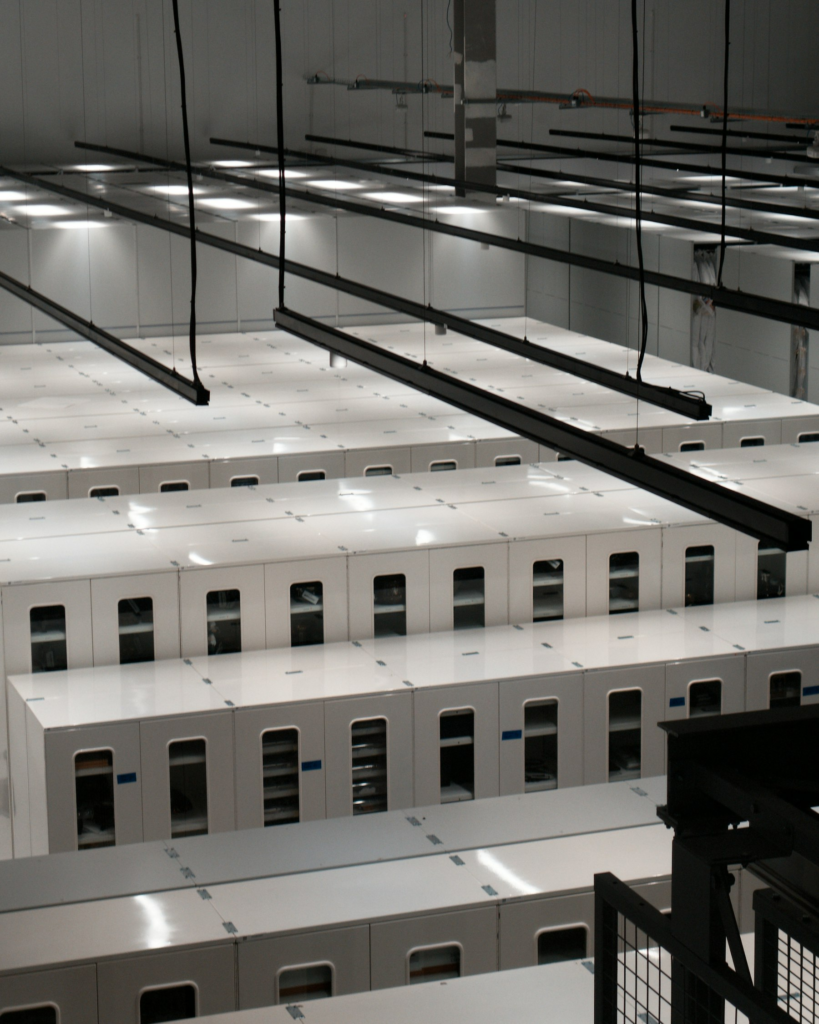
Drive along parts of Loudoun County Parkway or near Manassas and you’ll see large, windowless buildings. These data centers power much of the internet, and Northern Virginia has one of the largest concentrations anywhere. For homeowners, they bring both benefits and real questions.
Why Northern Virginia has so many
The region has dense fiber networks, reliable power and a long history as a hub for internet infrastructure. Loudoun’s Ashburn area became known as Data Center Alley, and growth has spread into Prince William County and beyond.
The trade-offs for nearby homes
| Possible concern | What to check |
|---|---|
| Noise from cooling equipment and generators | Visit at night and on weekends. Listen near the property line. |
| New high-voltage transmission lines | Look up utility project maps and public hearing notices. |
| Construction traffic | Ask about planned sites along your commute routes. |
| Views and lighting | Check what is zoned on nearby vacant land. |
| Buffers | Look at required setbacks and landscaping in the approved plans. |
The upside: local taxes
Data centers pay significant business and equipment taxes. That revenue helps counties fund schools, roads and services without leaning as hard on homeowners. Loudoun has been able to keep one of the lowest residential tax rates in the region. See Northern Virginia property taxes for a side-by-side comparison.
A worked example: thinking through resale
Say two similar homes in the same community are listed at $700,000. One backs to woods that are zoned for residential use. The other backs to land zoned for industrial use where a data center is planned. Today the views look the same. In five years, they may not. Buyers increasingly ask about this, so a home facing a planned data center may draw fewer buyers later. The risk isn’t certain, but it’s worth pricing into your decision, especially if you plan to sell within a few years.
The opposite can be true as well. A home a few miles from a data center campus, in a community with strong amenities and a low tax rate, may appeal to buyers who value those savings. Location within a community matters as much as the community itself.
How to research a specific home
- Open the county’s online zoning and parcel map and look at land within a mile or two.
- Search county land use applications and rezoning cases near the address.
- Check the utility’s transmission line project pages.
- Drive the area at different times and listen.
- Ask neighbors. They usually know what’s been proposed.
What most people miss
- Vacant land is not the same as protected land. Check the zoning.
- Plans can change after you buy, so look at the county’s long-range comprehensive plan too.
- Generator testing happens on a schedule, so a quiet visit may not tell the whole story.
- Proximity affects some buyers more than others. Some never notice; others won’t consider it.
If you already own near a data center
Stay informed and involved. Counties hold public hearings on rezoning and site plans, and residents can comment on buffers, landscaping, building height and noise limits. Keep notes and photos if noise or lighting becomes a problem, and contact the county’s zoning enforcement office. When it’s time to sell, be ready to share what you know, and price with recent nearby sales in mind so buyers see fair value.
Daniel’s tip: For clients buying in Loudoun or Prince William, I pull up the zoning map around the home before the first showing. It’s much easier to walk away early than to discover a planned project during your inspection period.
For more on judging a location, read how to choose a neighborhood in Northern Virginia, and see my local pages for Loudoun County and Prince William County.
Considering a home near a planned project? I’ll help you research it.
Frequently asked questions
Do data centers lower nearby home values?
There isn’t one answer. Effects depend on distance, buffers, noise and views. Homes directly facing a large facility may attract fewer buyers, while the broader area benefits from the tax base.
Are data centers loud?
Cooling equipment can create a steady hum, and backup generators are tested periodically. Distance and design make a big difference.
Will a seller tell me about a planned data center?
Not necessarily. Virginia is largely a buyer beware state, so do your own research. See what Virginia sellers must disclose.
Filed under Buying a Home, Inside Loudoun County, Inside Prince William County
Get new articles by email
A short monthly note on the Northern Virginia market, plus my newest articles. No spam, unsubscribe anytime.