Selling a Condo in Northern Virginia: Resale Packets, Financing and Pricing
 Daniel ParkNo. 46
Key takeaways
- Order the condo resale certificate as soon as you decide to sell. Virginia gives the association 14 days after a written request to deliver it, and buyers can cancel within a short window after receiving it.
- Financing is the hidden pricing factor: whether your building qualifies for conventional, FHA and VA loans decides how many buyers can actually purchase your unit.
- Price against recent sales in your own building and close competitors, adjusted for floor, view, parking and renovation, not against a county average.
- Condo fees, reserves, special assessments and rental rules are part of what buyers are paying for, so be ready to explain them.
- Small, targeted prep (paint, lighting, deep cleaning, decluttered storage) usually beats large renovations in a condo.
Selling a condo in Northern Virginia works a lot like selling a house, with three extra layers: the resale certificate your association must produce, the building’s financing eligibility, and pricing that depends heavily on what’s happening inside your own building. Get those three right and you remove most of the surprises that slow condo sales down or knock them off track. Here’s how I prepare condo sellers, step by step.
Step 1: Get the resale certificate moving early
Virginia’s Resale Disclosure Act requires a seller in a condominium or property owners’ association to obtain a resale certificate from the association and provide it to the buyer, and that obligation can’t be waived by agreement. Under Va. Code § 55.1-2309, the association (or its managing agent) has 14 days after the seller’s written request to deliver it.
The buyer then has a right to cancel. Under § 55.1-2312, unless the contract sets a different period, the buyer generally has three days from ratification (if they already had the certificate) or three days from receiving it. If the certificate is never delivered, the buyer can cancel any time before settlement. Every day the packet is late is a day your contract isn’t firm.
What’s typically in the packet:
- Current assessments, special assessments and any amounts the unit owes.
- The current budget, the most recent financial statements and the reserve study summary or reserve information.
- The governing documents: declaration, bylaws and rules, including leasing and pet rules.
- Any pending litigation, known violations on your unit and insurance information.
- Board meeting decisions that affect owners, such as approved projects or fee increases.
I ask sellers to request the certificate the week we sign the listing agreement, or at the latest the day we go under contract. Many associations charge a preparation fee and an extra fee for rush delivery, and an updated certificate may be needed before settlement.
Step 2: Know your building’s financing status
Most buyers finance, and in a condo the lender approves both the borrower and the building. Before you list, find out:
| Question | Why it matters to your price |
|---|---|
| Is the building approved for FHA? | Opens the door to buyers using low down payment FHA loans. Check HUD’s condominium approval search. |
| Is it on the VA approved condo list? | Northern Virginia has a large military and veteran community; VA buyers need an accepted project. |
| Will conventional lenders accept it? | Most buyers use conventional loans. Problems with reserves, delinquencies, litigation or major repairs can make a building ineligible. |
| What share of units are rented? | High investor concentration can limit some loan types. |
| Any pending special assessments or major repairs? | Lenders and buyers ask about critical repairs, especially in older high-rises. |
If your building has issues, it doesn’t mean you can’t sell, but your buyer pool narrows to cash buyers and portfolio or non-warrantable loan programs, and that shows up in price and timeline. Ask your property manager for the most recent condo questionnaire answers and whether FHA approval is current or about to expire. HUD’s website has the FHA approved project search.
Step 3: Price inside your building first
Condo pricing is local in the most literal sense. Two units a mile apart can follow completely different trends, while two units in the same tier of the same building are nearly perfect comparables. When I prepare a comparative market analysis for a condo, I weigh:
- Same building, same stack or layout: the best evidence, adjusted for floor and condition.
- Floor and view: higher floors and open views often command a premium; units facing a parking deck or loading area don’t.
- Parking: a deeded or assigned garage space can be worth a lot in Arlington and Tysons, where street parking is scarce.
- Storage and outdoor space: a balcony or deeded storage unit matters.
- Fee level: higher condo fees reduce what a buyer can borrow. A $300 difference in monthly fees can change a buyer’s budget meaningfully.
- Competing new construction: buyers compare your resale against newer buildings nearby.
If you’re also buying, my post on the best time to sell in Northern Virginia covers seasonality, which matters more for condos near Metro and large employers.
Step 4: Prep that pays in a condo
If you are weighing whether to fix things up front, my post on pre-listing inspections explains when an inspection before listing helps a condo seller.
Buyers walk into a condo comparing it to the unit they saw an hour earlier on another floor. Your goal is to be the clean, bright, well-kept version.
- Fresh neutral paint and replaced burned-out bulbs, especially in interior hallways and baths.
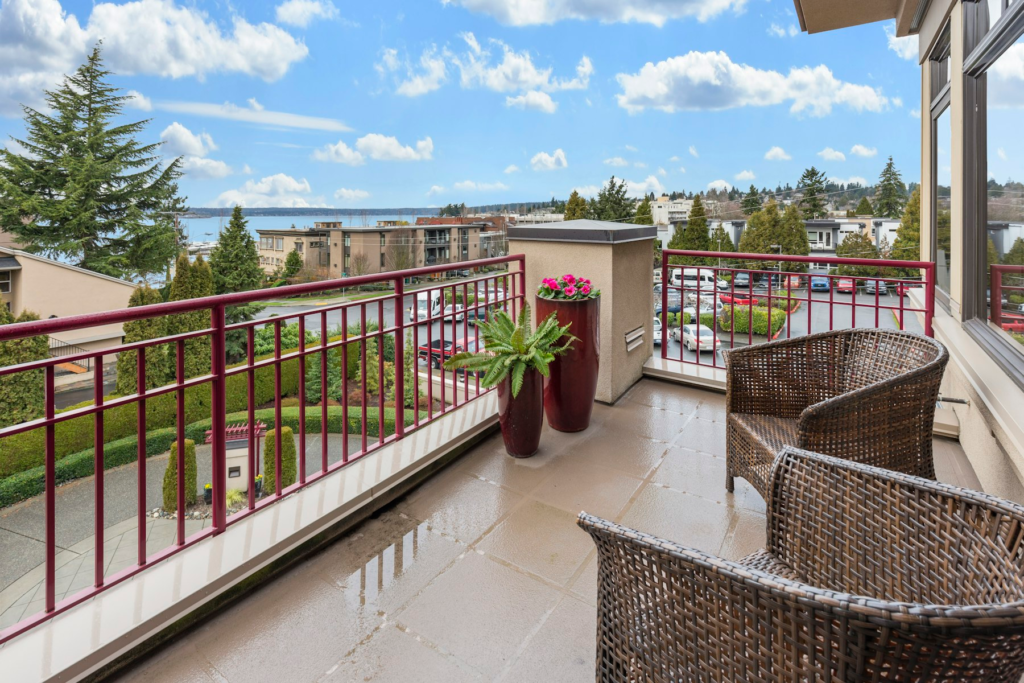
- A deep clean, including grout, vents, appliances and the balcony.
- Empty closets and storage halfway so they look roomy.
- Fix small things: dripping faucets, loose cabinet doors, missing outlet covers, running toilets.
- Service the HVAC unit and water heater and keep receipts; buyers in older buildings ask.
- Strong photos and a floor plan. My post on listing photos and marketing explains why floor plans matter so much for condos.
Check your building’s rules on lockboxes, showing hours, open houses and elevator reservations for moving. Some buildings require the front desk to be notified for every showing.
A worked example: seller net on a condo (illustrative)
These numbers are hypothetical to show how condo-specific costs fit in. Use my sales net sheet for your own figures, and ask your settlement company for exact amounts.
| Item | Illustrative amount |
|---|---|
| Sale price | $450,000 |
| Mortgage payoff | -$280,000 |
| Brokerage fees (as negotiated) | -$22,500 |
| Virginia grantor tax and regional fee | -$900 |
| Settlement and release fees | -$1,000 |
| Resale certificate and update fees | -$400 |
| Prorated condo fees and taxes (varies) | -$1,500 |
| Estimated net before any concessions | About $143,700 |
The condo-specific lines are small, but they surprise people at the closing table. A pending special assessment is the bigger variable: contracts usually address who pays it, so decide early whether you will pay it off or credit the buyer.
Common mistakes condo sellers make
- Waiting until ratification to order the resale certificate, which leaves the contract cancelable longer than necessary.
- Assuming the building is still FHA approved. Approvals expire and must be recertified.
- Pricing off a unit with a better view, floor or parking without adjusting.
- Hiding a known special assessment or upcoming fee increase. It will appear in the packet, so it’s better to price for it.
- Ignoring the leasing rules when marketing to investors. If the building caps rentals, say so up front.
- Over-renovating. A new kitchen rarely returns its cost in a mid-rise condo where buyers compare finishes unit by unit.
Daniel’s tip: Ask your property manager two questions before you list: when does the building’s FHA approval expire, and is any special assessment or fee increase being discussed? The answers shape pricing more than almost anything you can do inside the unit.
Thinking about selling your condo? I’ll pull recent sales in your building and give you a realistic plan and net estimate.
This is general information, not legal advice. For questions about your association documents or a contract dispute, talk with a Virginia real estate attorney. More selling resources are on my sellers page.
Frequently asked questions
How long does an HOA have to provide a resale certificate in Virginia?
The association, its managing agent or a third-party preparer must deliver the certificate within 14 days after the seller’s written request. If it isn’t delivered within 14 days, it is deemed unavailable.
Can a buyer back out after reviewing the condo documents in Virginia?
Yes. Unless the contract sets a different period, a buyer generally has three days after ratification or after receiving the certificate to cancel without penalty, and can cancel any time before settlement if it was never delivered.
Does FHA approval affect my condo’s sale price?
It affects how many buyers can finance your unit. A building that qualifies for FHA, VA and conventional loans gives you a larger buyer pool, which tends to support price and shorten time on market.
Who pays a special assessment when a condo sells?
It’s negotiable. Contracts typically spell out whether the seller pays it off at settlement or the buyer assumes future installments, often with a price adjustment or credit.
Should I renovate my condo before selling?
Usually not in a big way. Paint, lighting, repairs and cleaning tend to pay off. Major kitchen or bath remodels rarely return their full cost in a condo.
Filed under Selling Your Home
Get new articles by email
A short monthly note on the Northern Virginia market, plus my newest articles. No spam, unsubscribe anytime.