Energy Upgrades That Pay Off: A Practical Guide for Northern Virginia Homes
 Daniel ParkNo. 107
Updated
Key takeaways
- Air sealing and attic insulation usually pay back fastest.
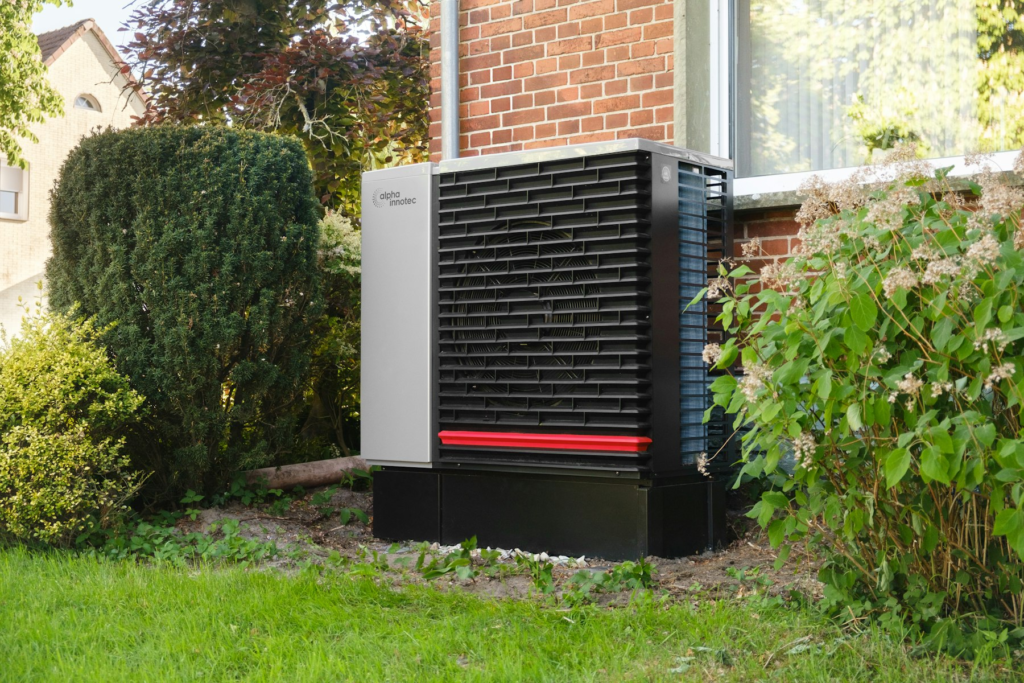
- Heat pumps suit Northern Virginia’s climate, especially when your current system is near the end of its life.
- The federal 25C and 25D home energy tax credits ended for work completed after December 31, 2025.
- Check your utility and local programs for rebates before you buy equipment.
Northern Virginia has hot, humid summers and cold snaps in winter, so heating and cooling are a big share of most energy bills. The good news is that some upgrades pay for themselves quickly. The trick is doing them in the right order.
What changed with tax credits
For several years, homeowners could claim federal tax credits for efficient improvements (25C) and for solar and similar systems (25D). Under the law signed in July 2025, both credits ended for work completed after December 31, 2025. That makes payback math more important than ever. Some utilities and local programs still offer rebates or audits, so check before you buy. I’m not a tax advisor; confirm any tax questions with a CPA.
Rank upgrades by payback
| Upgrade | Typical payback | Best time to do it |
|---|---|---|
| Air sealing and attic insulation | Fastest | Anytime, ideally before summer or winter |
| Smart thermostat | Fast | Anytime |
| LED lighting | Fast | Anytime |
| Heat pump water heater | Moderate | When your water heater fails or ages out |
| Heat pump HVAC | Moderate to long | When your furnace or AC needs replacing |
| Solar panels | Long, depends on roof and usage | When your roof is in good shape |
| New windows | Longest | When windows are failing or rotting |
How to run the payback math
Divide the cost by the yearly savings. Say your heating and cooling bills total $2,400 a year and air sealing plus insulation costs $2,500. If the work cuts those bills by 15%, you save $360 a year, so the payback is about 7 years ($2,500 ÷ $360). If the same work also makes upstairs bedrooms more comfortable in July, that’s a bonus that doesn’t show up in the math. These numbers are illustrative; a home energy audit can give you real estimates.
Replace on failure, not in a panic
The smartest time to upgrade big equipment is when it’s already due. The extra cost of a heat pump over a standard replacement is much smaller than replacing a working system early. If your HVAC is 12 or more years old, get quotes now so you aren’t forced into a rushed choice in a heat wave.
Common mistakes
- Buying new windows first. They look great but usually have the longest payback.
- Installing a bigger HVAC system than needed. Oversized systems cycle on and off and control humidity poorly. Ask for a load calculation.
- Skipping the attic. Many older homes have thin or uneven insulation.
- Ignoring ductwork. Leaky ducts in attics and crawl spaces waste conditioned air.
- Leasing solar without reading the contract. Leases and liens can complicate a future sale.
Start with an energy audit
An energy audit, sometimes called a home performance assessment, measures where your home loses air and heat. Many auditors use a blower door test, which depressurizes the house to reveal leaks around attic hatches, recessed lights, outlets and ducts. The report ranks improvements by cost and likely savings, so you spend money in the right order instead of guessing.
Ask your utility first. Some offer discounted audits, rebates on insulation or equipment, or programs for income-qualified households. Program details change, so confirm what’s available when you’re ready to start, and get any rebate approval before work begins if the program requires it.
Do upgrades help when you sell?
Buyers notice comfort and condition more than efficiency ratings. A newer heat pump, a recent water heater and a well-insulated attic reduce the number of items an inspector flags, which helps you avoid repair requests. Share your utility history with buyers so the savings are real, not a claim. Owned solar can be a selling point; a leased system is something buyers and their lenders will want to review carefully.
Daniel’s tip: Keep a folder with receipts, warranties and utility bills before and after each upgrade. When you sell, buyers respond to proof, and lower utility costs are a real selling point.
Need an energy auditor or HVAC pro?
Frequently asked questions
Do heat pumps work in Northern Virginia winters?
Yes. Modern heat pumps handle typical Northern Virginia winters well. Some homes keep a backup heat source for the coldest days.
Do energy upgrades raise home value?
They help most when they solve a buyer’s worry, like an aging system. See Renovations That Add Value.
What should I do before winter?
Start with Winterize Your Home: A 12-Point Checklist.
Filed under Home & Design
Get new articles by email
A short monthly note on the Northern Virginia market, plus my newest articles. No spam, unsubscribe anytime.